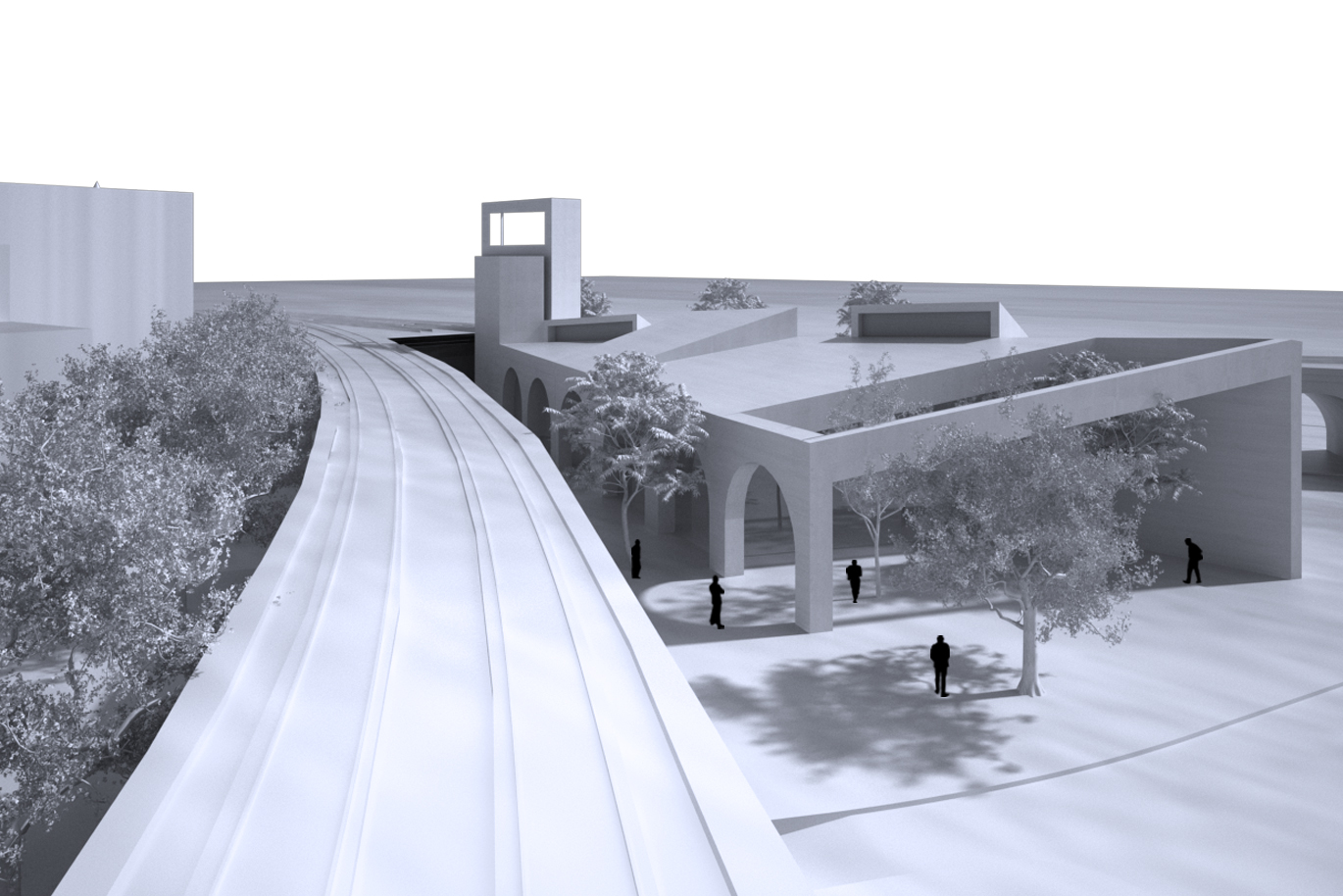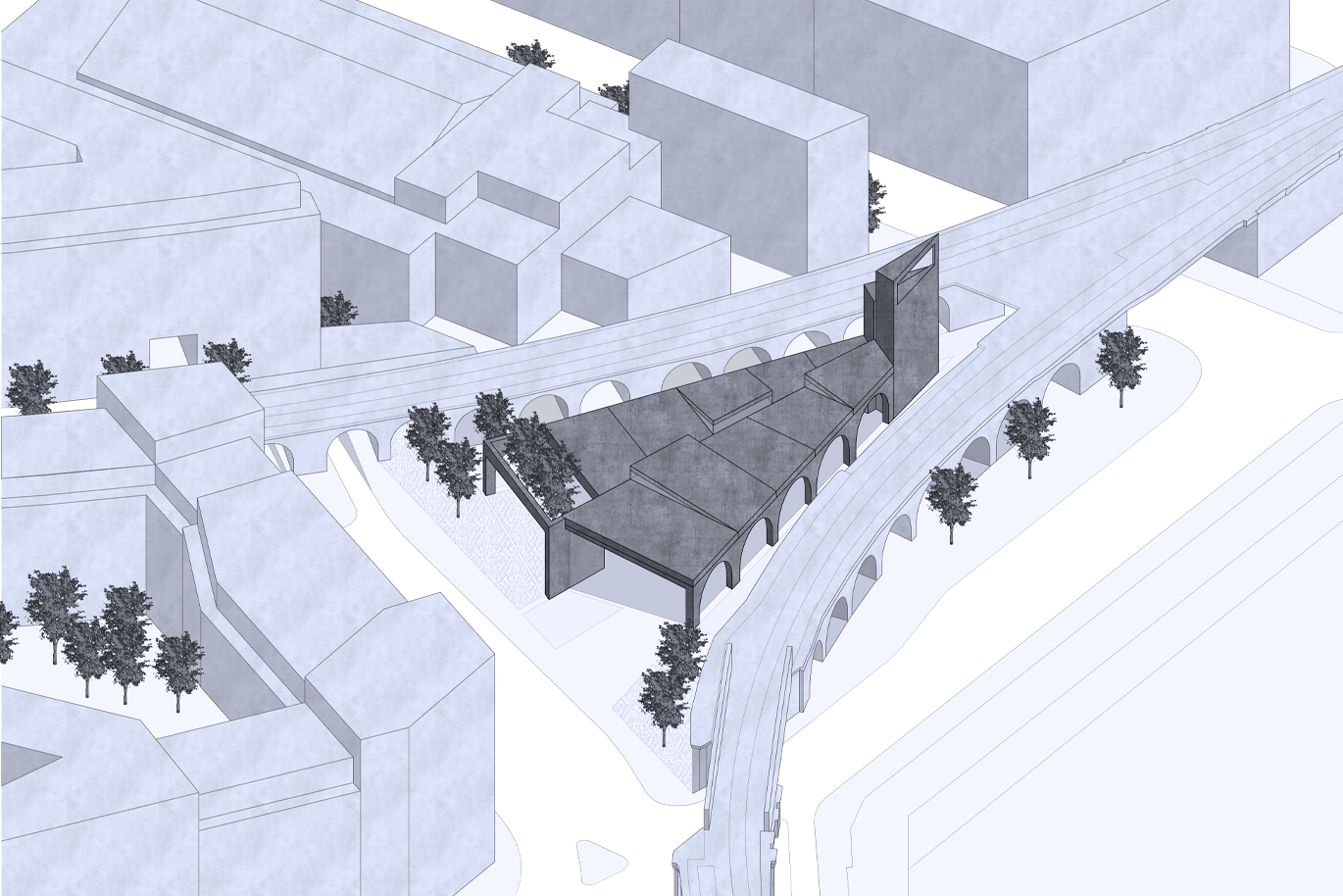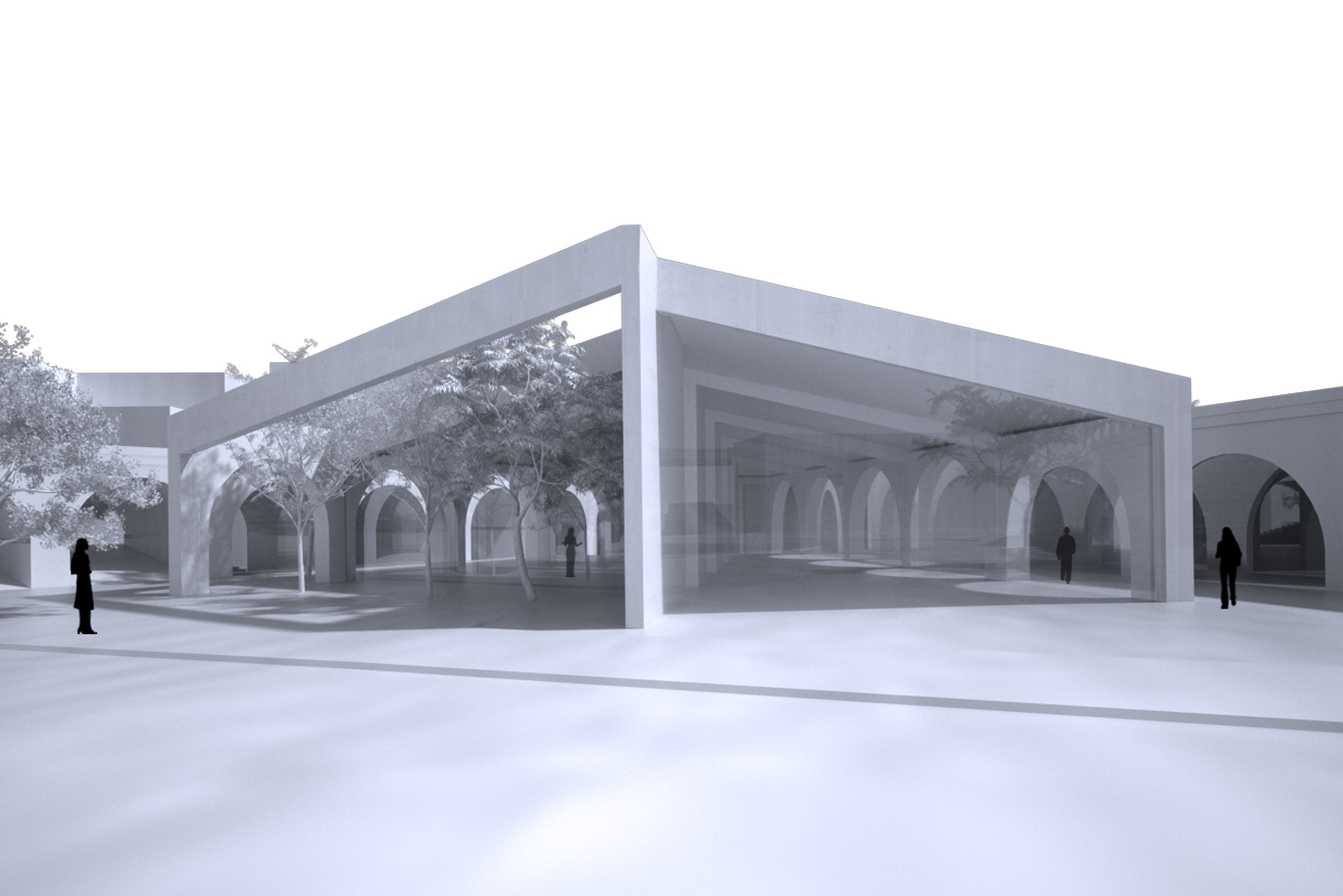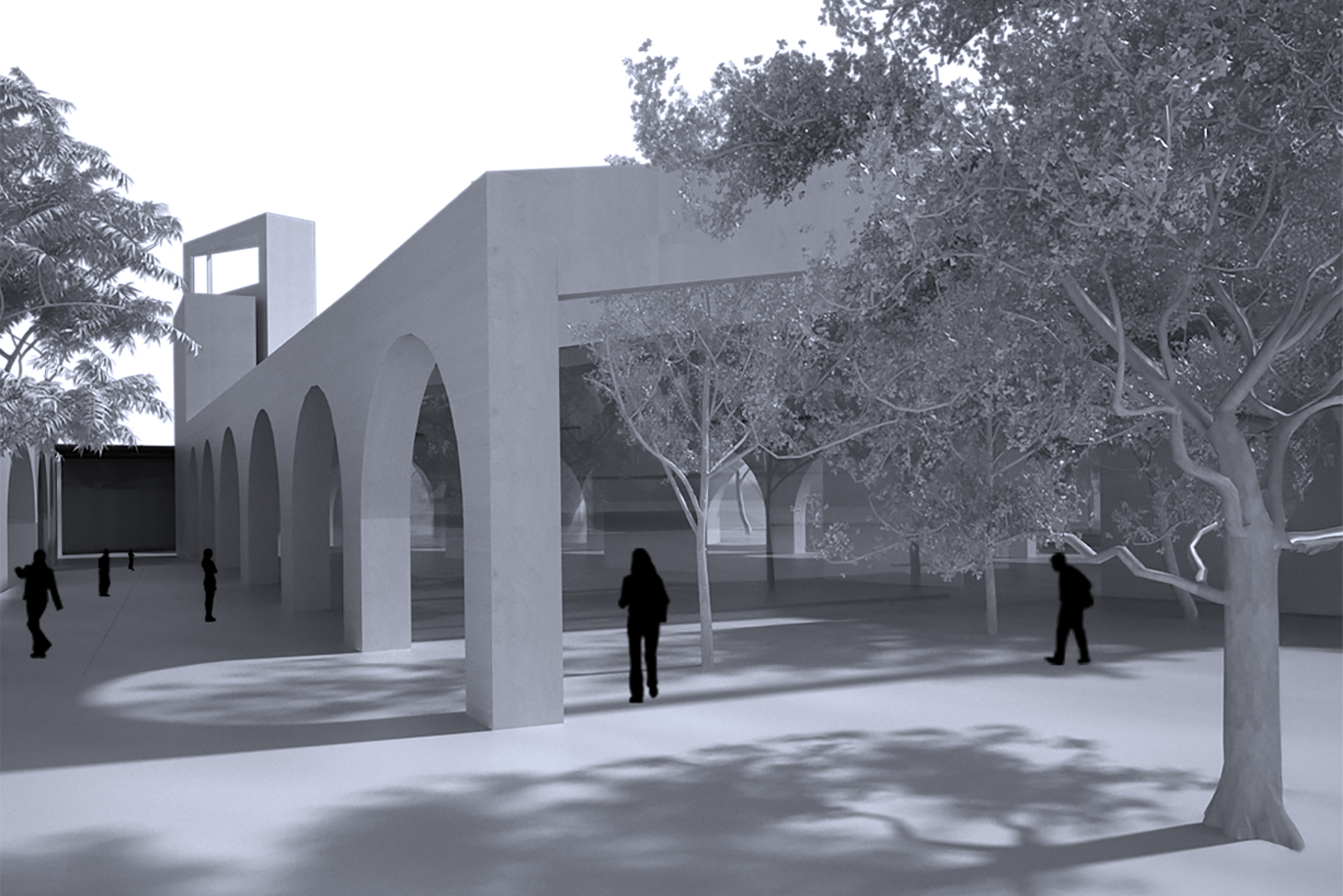
The Check-In Hall is a temporary wooden structure, able to define a texture of public spaces.
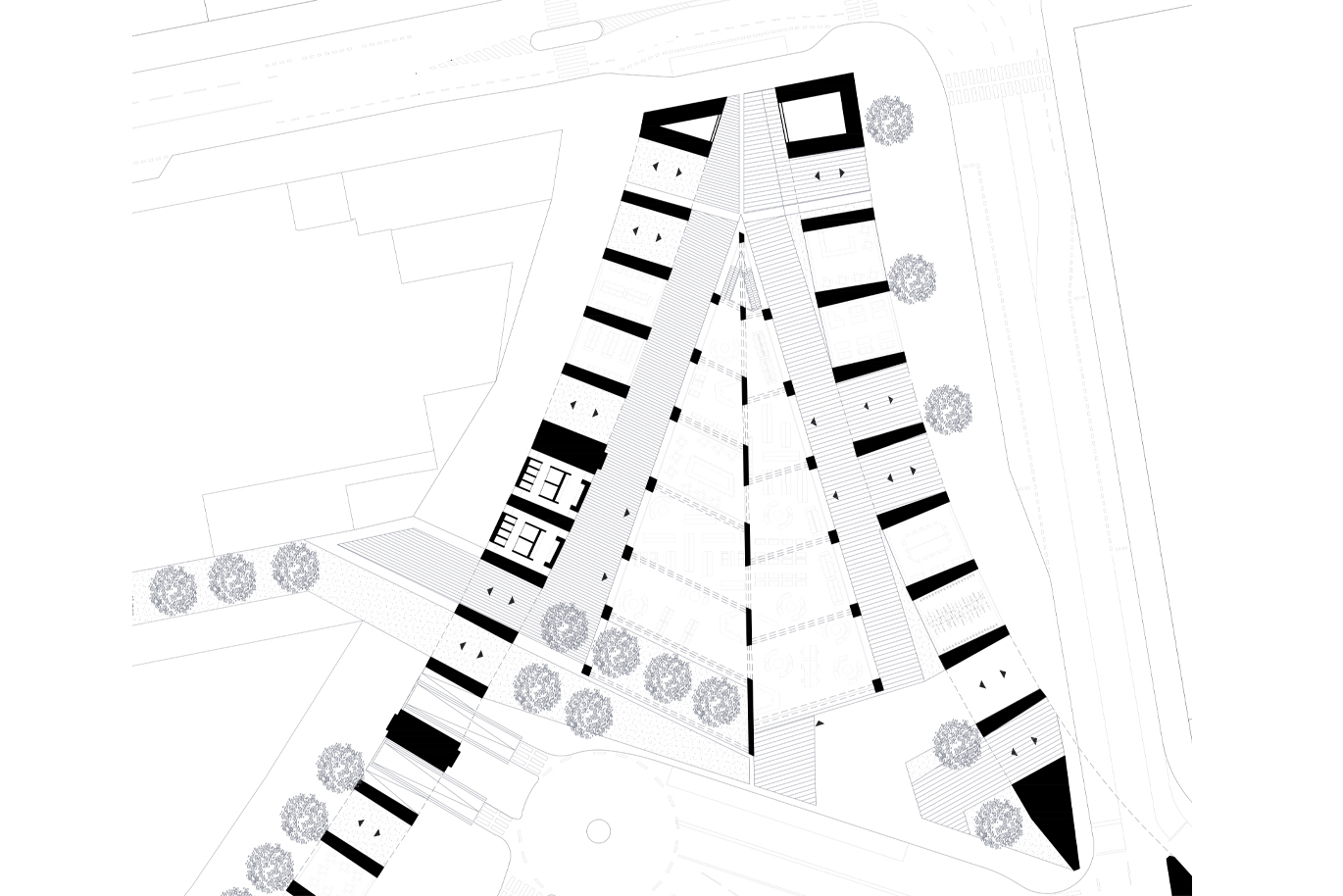
The spaces are located and distributed under the roof like a market place: the furnitures will configure different and flexible areas of influence, that can be changed, assembled and disassembled in relation to the needs of the operators, passengers, travellers and tourists.
All the space is open and walkable: inside you may find different information offices, waiting and check rooms in relation to the place form which you are coming.
Storage luggage, as gastronomy, as presales offices are distributed, all together with ATM points, exchange offices and other services. The Check-In Hall is a sort of landscape in which each passenger can find his/her own attitudes and needs for a short or long time.
The temporary structure refers to historic architecture of the context, configures an infrastructural hub as a city block and tries to put in touch and connect the high speed public transport with a new comfortable meeting place, a covered urban piazza, in which you can stop, wait, pass, eat, drink, pay, book, read, meet, deposit, store and live.
The viaducts’ arches contain and define all the passages and connections between the other means of transportation and all the spaces related to offices (staff areas, meeting room), services (public toilets, brewery, cafeteria, cleaning spaces and maintenance premises) or more specialized depot (like bike depot).
They are designed as urban rooms beneath the infrastructure, capable of extending the meeting place effect of the check-in hall and connecting with other public spaces in the context.